They're not — mostly. The 'cheap old Rolex' is one of the internet's favorite myths: a 1960s Datejust at $3,000 seems like a steal next to a $10,000 new one, until you understand what that price actually buys and what it hides.
Some vintage Rolexes are genuinely affordable — and some are cheap for reasons that will cost you thousands. The difference comes down to originality, condition and service history, and the market prices all three ruthlessly.
Why This Question Deserves a Better Answer
This guide explains the real economics of vintage Rolex pricing, which models are legitimately accessible, and the traps that turn a 'bargain' into a money pit.
Rule one: in vintage Rolex, the dial is the value. A refinished dial can cut a watch's worth in half — and most cheap listings don't mention it.
What to Look For
- Original dials — refinished dials destroy value
- Service history and movement condition
- Matching serials and correct-era parts
- Dealer reputation and return windows
- Total cost: purchase + authentication + service
The 7 Best Picks, Reviewed
1. Rolex Oyster Perpetual 34 (1970s-90s)
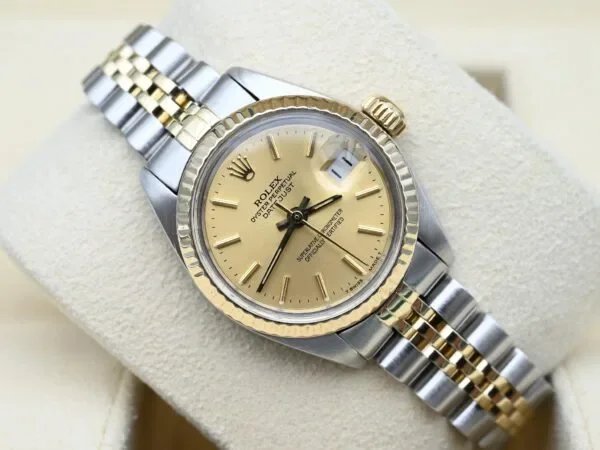
The honest entry: $2,500-4,000 buys a clean, original example. Cheap because the 34mm case fell out of fashion — the movement is the same chronometer-grade work.
2. Rolex Datejust 1601 (1960s-70s)
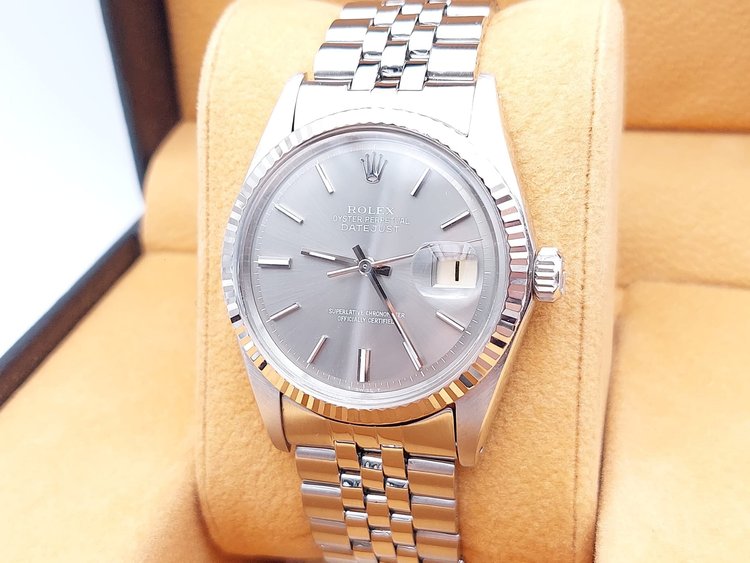
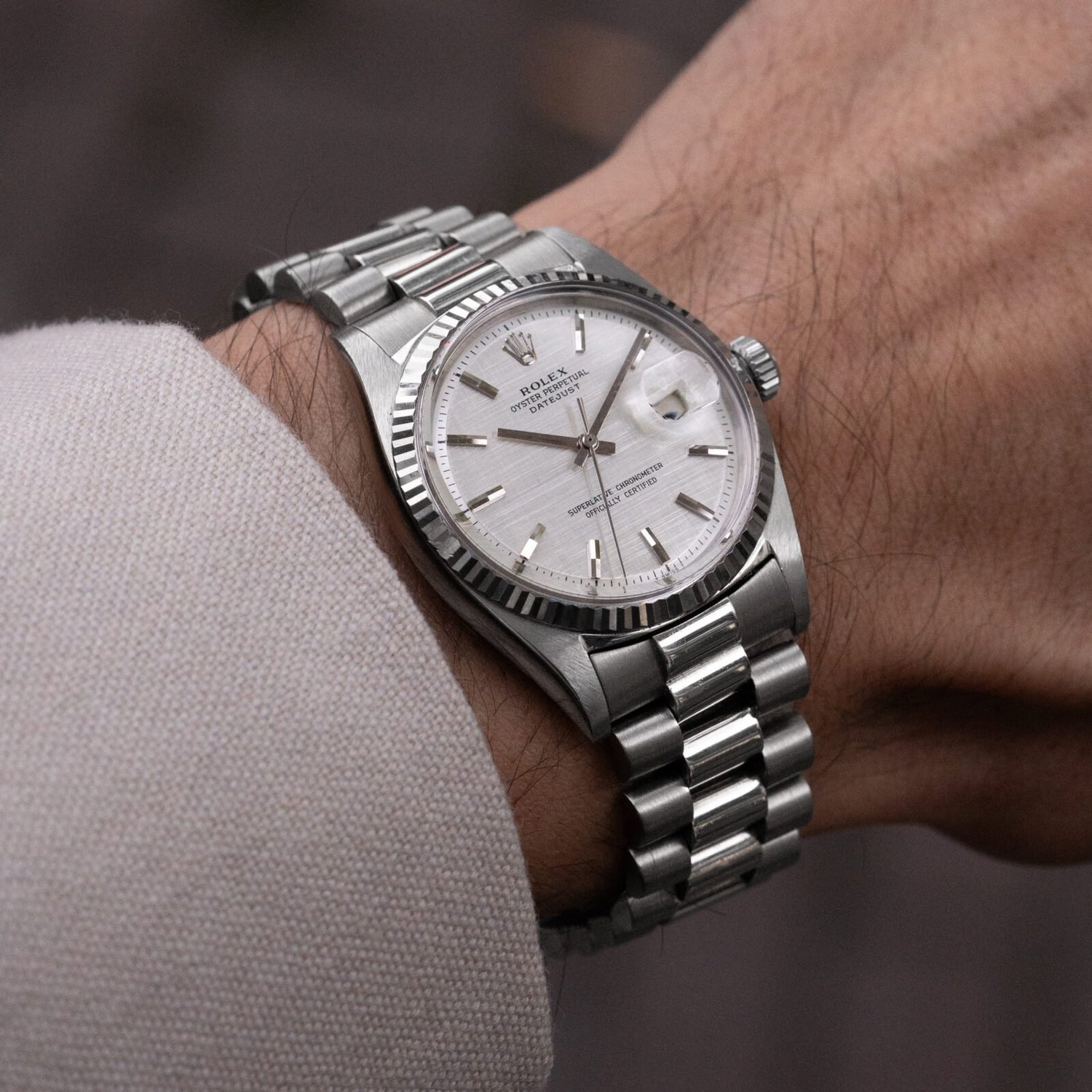
The classic: pie-pan dial, fluted bezel, $3,000-4,500 in honest condition. The most vintage Rolex per dollar — our cheapest-Rolex guide covers the buying process.
3. Rolex Air-King 5500
34mm simplicity from the 1960s-80s at $2,500-3,500. Cheap because it's small and plain — which is exactly its charm in 2026.
4. Rolex Oysterdate Precision 6694
The hand-wind Rolex: $2,000-3,000. Affordable because it lacks the automatic movement and quickset date — and wonderful for the same reasons.
5. Tudor Oyster Prince (vintage)
Rolex cases and crowns with ETA movements: $800-1,500. The smart money's answer — same era, same build philosophy, half the price.
6. Rolex Datejust 16014
The 1980s quickset upgrade with acrylic crystal: $4,000-5,500. The value pick between vintage charm and daily practicality.
7. Watch Authentication & Service (pre-purchase)
Not a watch — the $150-300 step that makes every purchase above safe. Independent authentication before money moves, always.
How They Compare
The pricing logic is consistent: small cases (34mm), hand-wind movements, and acrylic crystals are cheap because fashion moved on, not because they're worse watches. What makes specific examples cheap is darker — refinished dials, replaced parts, polished-away cases and deferred service. A $2,500 Datejust needing a $900 service and hiding a redial is more expensive than the $4,000 clean example.
FAQ
Why are some old Rolexes so cheap?
Legitimately: small 34mm cases, hand-wind movements and acrylic crystals are unfashionable. Illegitimately: refinished dials, franken-parts, hidden damage and deferred service. The price rarely lies — but listings do.
Is a $2,000 vintage Rolex a good buy?
Only with authentication. At that price assume a service is due ($500-900) and verify the dial is original. Clean examples under $2,500 are rare and sell fast.
Do vintage Rolexes appreciate?
Clean, original examples have appreciated strongly — but buy for love, not investment. The appreciation belongs to original-dial, unpolished pieces, not the average listing.
What's the cheapest real Rolex you can buy?
A 1970s-90s Oyster Perpetual 34 or hand-wind Oysterdate at $2,000-3,500 — authenticated, with a service budgeted. Below that, buy vintage Tudor instead.
The Verdict
Old Rolexes aren't cheap — unfashionable sizes and deferred maintenance are. Buy the 34mm Oyster Perpetual or Datejust 1601 the fashion cycle left behind, authenticate before paying, budget the service, and you'll own a chronometer-grade Rolex for less than a new Tissot costs on credit. Skip the $1,500 'bargains' — in vintage Rolex, cheap is the most expensive price there is.